Garlic Butter Shrimp Pasta Recipe – Restaurant-Quality in Just 30 Minutes
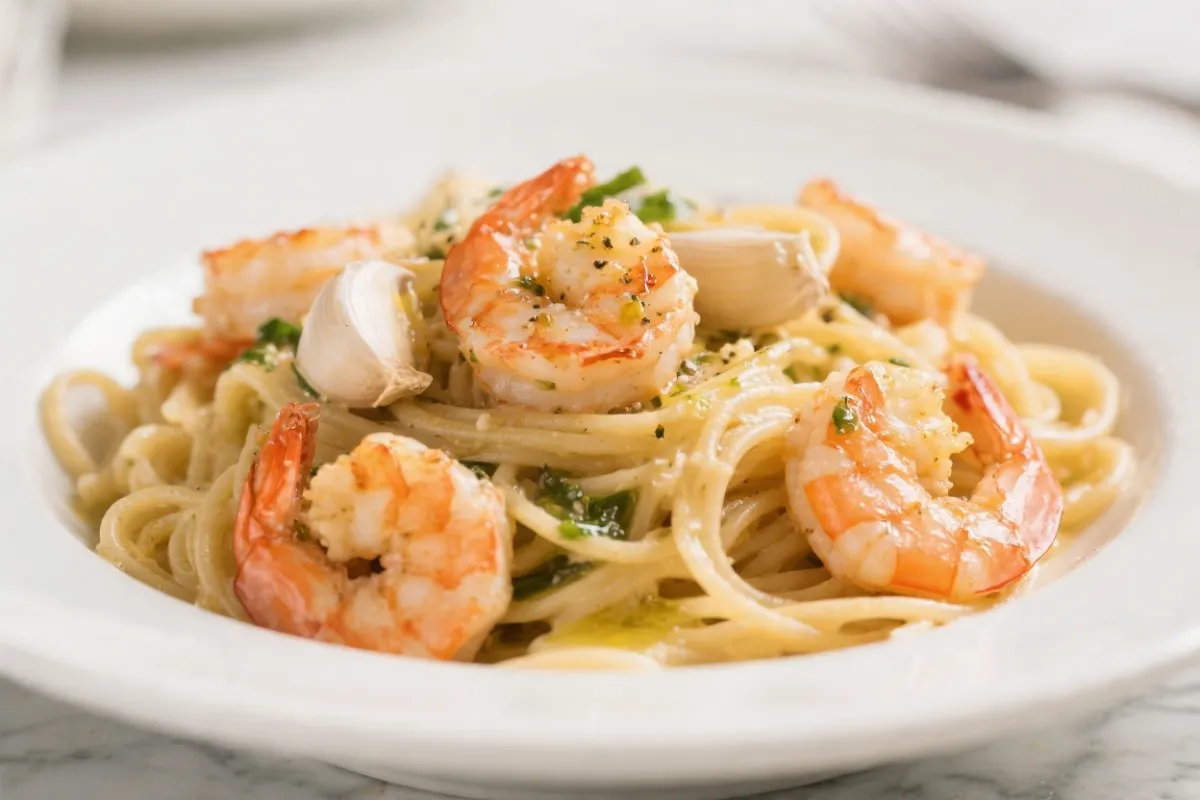
This garlic butter shrimp pasta is the weeknight hero you’ll want on repeat. It’s rich, fragrant, and surprisingly fast, with a silky sauce that hugs every strand of pasta. You get plump shrimp, a bright pop of lemon, and just the right hit of heat from red pepper flakes.
Best of all, it tastes like something you’d order at a nice restaurant, but you can make it at home in half an hour. If you love big flavor with minimal fuss, this recipe delivers.
What Makes This Special
This pasta checks all the boxes: quick, budget-friendly, and full of cozy flavor. The sauce is built on garlic-infused butter and a splash of olive oil so it’s rich without being heavy.
A squeeze of fresh lemon brightens everything and balances the butter. Using reserved pasta water creates a glossy, emulsified sauce that clings beautifully. And the shrimp cook in minutes, so you can pull this off any night of the week.
What You’ll Need
- 8 ounces (225 g) spaghetti or linguine (or your favorite long pasta)
- 1 pound (450 g) large shrimp, peeled and deveined, tails on or off
- 4 tablespoons unsalted butter
- 2 tablespoons extra-virgin olive oil
- 5–6 cloves garlic, finely minced
- 1/2 teaspoon red pepper flakes (adjust to taste)
- 1/2 cup dry white wine (or low-sodium chicken broth)
- 1 lemon (zest and 2–3 tablespoons juice)
- 1/2 cup grated Parmesan (plus more for serving)
- 1/4 cup chopped fresh parsley
- Kosher salt and freshly cracked black pepper
- Optional: 1/4 teaspoon smoked paprika for warmth
How to Make It
- Prep the shrimp: Pat the shrimp dry with paper towels.
Season with a big pinch of salt, a few grinds of black pepper, and the smoked paprika if using. Dry shrimp sear better and stay juicy.
- Boil the pasta: Bring a large pot of salted water to a rolling boil. Add pasta and cook until al dente, about 1–2 minutes less than package directions. Reserve 1 cup of pasta water before draining.
- Sear the shrimp: In a large skillet over medium-high heat, warm 1 tablespoon olive oil and 1 tablespoon butter.
Add shrimp in a single layer and cook 1–2 minutes per side until just opaque and lightly golden. Transfer to a plate. Don’t overcook.
- Build the flavor base: Lower heat to medium.
Add remaining olive oil and 2 tablespoons butter to the same skillet. Add garlic and red pepper flakes. Cook 30–60 seconds until fragrant, stirring constantly. Don’t brown the garlic or it will taste bitter.
- Deglaze: Pour in the white wine (or broth), scraping up any browned bits.
Simmer 2–3 minutes to reduce by about half. This concentrates flavor and cooks off the alcohol.
- Emulsify the sauce: Add 1/2 cup reserved pasta water and the lemon zest. Bring to a gentle simmer.
Whisk in the last tablespoon of butter until the sauce looks glossy.
- Toss the pasta: Add drained pasta to the skillet. Toss for 1–2 minutes so the sauce coats every strand. If it looks dry, splash in more pasta water a few tablespoons at a time.
- Add shrimp and finish: Return shrimp to the pan with any juices.
Add lemon juice, Parmesan, and most of the parsley. Toss until the shrimp are warmed through and the cheese melts smoothly into the sauce. Taste and adjust salt, pepper, and lemon.
- Serve: Twirl into bowls.
Top with extra Parmesan, the remaining parsley, and a drizzle of olive oil if you like. Serve immediately with lemon wedges.
How to Store
- Refrigerator: Cool completely, then store in an airtight container for up to 3 days.
- Reheat: Warm gently in a skillet over low heat with a splash of water or broth to loosen the sauce. Avoid high heat to keep the shrimp tender.
- Freezing: Not ideal.
Shrimp can get rubbery and the butter sauce may separate after thawing.
Health Benefits
- Lean protein: Shrimp are high in protein and low in calories, helping you feel satisfied without feeling heavy.
- Healthy fats: Olive oil adds heart-healthy monounsaturated fats, and pairing it with butter gives a balanced richness.
- Micronutrients: Shrimp provide selenium, vitamin B12, and iodine, while parsley adds vitamin K and antioxidants.
- Portion control: Using a modest amount of pasta and bulking up with shrimp keeps the carb load reasonable while still feeling like comfort food.
Common Mistakes to Avoid
- Overcooking the shrimp: They only need a couple of minutes per side. Pull them as soon as they’re pink and opaque.
- Skipping the pasta water: It’s starchy and key for a silky, clinging sauce. Always save some before draining.
- Browning the garlic: Burnt garlic turns harsh.
Keep the heat moderate and stir constantly once it hits the pan.
- Adding lemon too early: Add juice near the end to keep it bright and to prevent curdling with the cheese.
- Using too much Parmesan at once: Add gradually off high heat so it melts smoothly and doesn’t clump.
Alternatives
- Pasta swap: Use fettuccine, bucatini, or short pasta like penne. For gluten-free, choose a quality rice or corn blend and cook gently.
- No wine: Use chicken broth plus a teaspoon of white wine vinegar for tang.
- Dairy-free: Replace butter with dairy-free butter and skip Parmesan, or use a vegan Parmesan-style topping.
- Extra veggies: Toss in spinach, cherry tomatoes, asparagus tips, or peas during the final few minutes.
- More heat: Add a pinch of cayenne or double the red pepper flakes.
- Herb twist: Swap parsley for basil or chives, or add a touch of tarragon for a hint of anise.
- Protein swap: Try scallops, crab, or cooked chicken. Adjust cooking times accordingly.
FAQ
Can I use frozen shrimp?
Yes.
Thaw them overnight in the fridge or quickly under cold running water. Pat very dry before cooking so they sear instead of steaming.
What if I don’t have Parmesan?
Pecorino Romano works great and adds a saltier, sharper bite. Start with a bit less and adjust to taste.
Is this spicy?
It has a gentle kick from red pepper flakes.
For no heat, omit them. For more, add extra flakes or a pinch of cayenne.
Which wine should I use?
Choose a dry white like Sauvignon Blanc, Pinot Grigio, or an unoaked Chardonnay. Avoid sweet wines, which can throw off the balance.
How do I keep the sauce from getting greasy?
Emulsify properly by tossing the pasta with butter, oil, and a bit of starchy pasta water over gentle heat.
Add cheese off high heat and thin as needed with more pasta water.
Can I make it ahead?
It’s best fresh, but you can prep components. Mince garlic, chop parsley, and peel shrimp ahead. Cook pasta and sauce when you’re ready to eat.
What’s the best pan for this?
A large stainless steel or nonstick skillet works well.
You want enough surface area to sear shrimp without crowding and space to toss the pasta.
How do I know the pasta is al dente?
Taste it. It should have a slight bite in the center. Pull it a minute early since it will finish cooking in the sauce.
Final Thoughts
This garlic butter shrimp pasta is proof that simple ingredients can taste luxurious.
With a handful of pantry staples and a few smart steps, you’ll have a glossy, lemony, garlicky bowl of comfort in 30 minutes. Keep it in your weeknight rotation, dress it up for date night, or serve it to friends with a crisp salad and a glass of white wine. It’s easy to make, easy to love, and hard to beat.
Ingredients
Method
- Prep the shrimp: Pat the shrimp dry with paper towels. Season with a big pinch of salt, a few grinds of black pepper, and the smoked paprika if using. Dry shrimp sear better and stay juicy.
- Boil the pasta: Bring a large pot of salted water to a rolling boil. Add pasta and cook until al dente, about 1–2 minutes less than package directions. Reserve 1 cup of pasta water before draining.
- Sear the shrimp: In a large skillet over medium-high heat, warm 1 tablespoon olive oil and 1 tablespoon butter. Add shrimp in a single layer and cook 1–2 minutes per side until just opaque and lightly golden. Transfer to a plate. Don’t overcook.
- Build the flavor base: Lower heat to medium. Add remaining olive oil and 2 tablespoons butter to the same skillet. Add garlic and red pepper flakes. Cook 30–60 seconds until fragrant, stirring constantly. Don’t brown the garlic or it will taste bitter.
- Deglaze: Pour in the white wine (or broth), scraping up any browned bits. Simmer 2–3 minutes to reduce by about half. This concentrates flavor and cooks off the alcohol.
- Emulsify the sauce: Add 1/2 cup reserved pasta water and the lemon zest. Bring to a gentle simmer. Whisk in the last tablespoon of butter until the sauce looks glossy.
- Toss the pasta: Add drained pasta to the skillet. Toss for 1–2 minutes so the sauce coats every strand. If it looks dry, splash in more pasta water a few tablespoons at a time.
- Add shrimp and finish: Return shrimp to the pan with any juices. Add lemon juice, Parmesan, and most of the parsley. Toss until the shrimp are warmed through and the cheese melts smoothly into the sauce. Taste and adjust salt, pepper, and lemon.
- Serve: Twirl into bowls. Top with extra Parmesan, the remaining parsley, and a drizzle of olive oil if you like. Serve immediately with lemon wedges.
Printable Recipe Card
Want just the essential recipe details without scrolling through the article? Get our printable recipe card with just the ingredients and instructions.