Shrimp Lemon Garlic Pasta in 20 Minutes – Fresh, Zesty & Full of Flavor
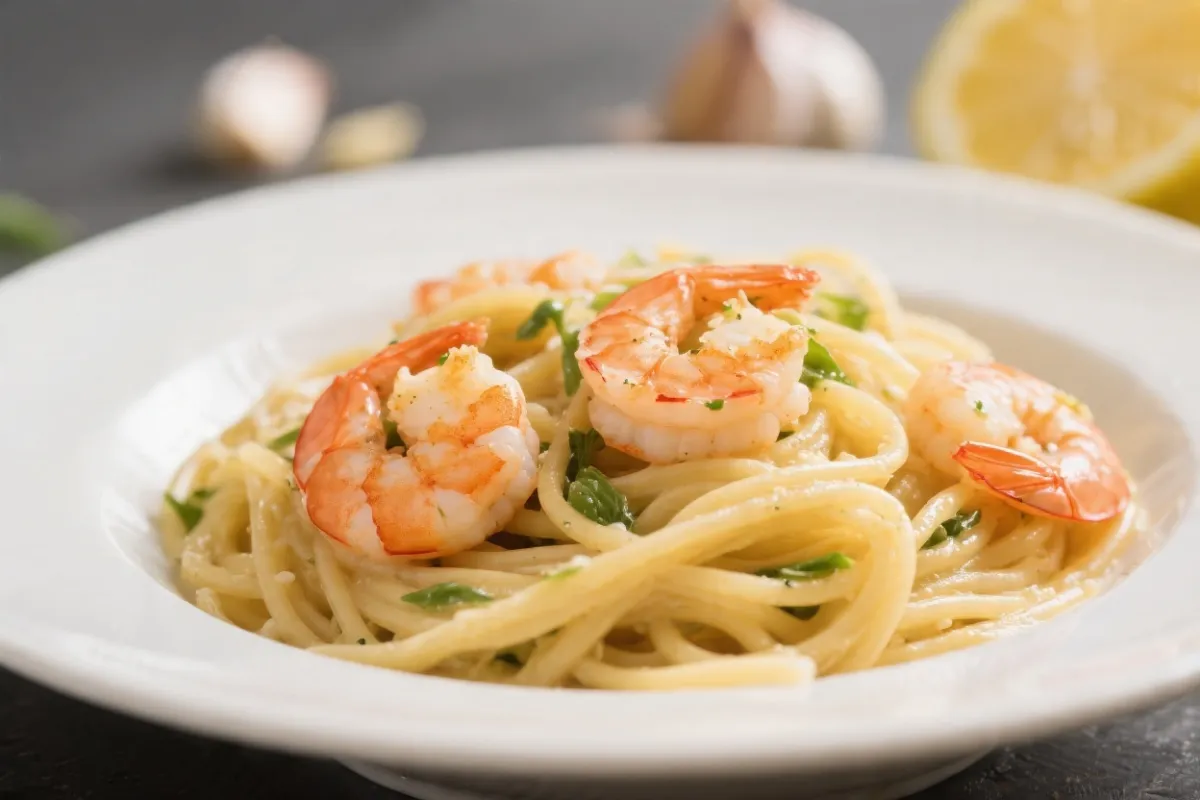
This is the kind of weeknight dinner that makes you feel like you cooked something special without breaking a sweat. Tender shrimp, bright lemon, and fragrant garlic come together in a silky sauce that hugs every strand of pasta. It’s quick, satisfying, and loaded with fresh flavor.
You’ll get a good zing from the citrus, a buttery finish, and a subtle heat if you add a pinch of chili flakes. Best of all, it’s on the table in about 20 minutes, start to finish.
What Makes This Recipe So Good
- Fast and fuss-free: Simple steps and pantry-staple ingredients make this perfect for busy nights.
- Big flavor, light feel: Lemon, garlic, and parsley keep things bright and fresh, not heavy.
- Restaurant quality at home: The glossy, emulsified sauce clings to the pasta like a pro-made dish.
- Flexible: Use any long pasta, swap herbs, or toss in veggies like spinach or asparagus.
- One-pan finish: The shrimp cooks in minutes, and the pasta finishes right in the skillet for maximum flavor.
Shopping List
- Pasta: 12 ounces spaghetti, linguine, or fettuccine
- Shrimp: 1 pound large shrimp, peeled and deveined (tails on or off)
- Olive oil: Extra-virgin for sautéing and finishing
- Butter: 2–3 tablespoons for richness and a silky sauce
- Garlic: 4–6 cloves, thinly sliced or finely minced
- Lemon: 1–2 lemons for zest and juice (you’ll want about 2–3 tablespoons juice)
- Red pepper flakes: A pinch to 1/2 teaspoon, to taste
- Parsley: A small bunch, chopped
- White wine or broth: 1/3 cup dry white wine (or low-sodium chicken/vegetable broth)
- Parmesan: Freshly grated, for serving (optional but great)
- Salt and black pepper: For seasoning
Step-by-Step Instructions
- Boil the pasta: Bring a large pot of salted water to a rolling boil. Cook the pasta until just shy of al dente (usually 1 minute less than package time).
Reserve 1 cup of pasta water, then drain.
- Prep the shrimp: Pat shrimp dry and season with salt and pepper. Dry shrimp sear better and cook faster.
- Sauté the aromatics: In a large skillet, heat 2 tablespoons olive oil over medium heat. Add garlic and red pepper flakes.
Cook 30–60 seconds until fragrant, not browned.
- Add shrimp: Increase heat to medium-high. Add shrimp in a single layer. Cook 1–2 minutes per side until pink and just opaque.
Transfer shrimp to a plate to avoid overcooking.
- Deglaze: Pour in the white wine (or broth). Scrape up any browned bits. Let it simmer 1–2 minutes to reduce slightly.
- Build the sauce: Lower heat to medium.
Add 2 tablespoons butter and the lemon zest. Swirl until the butter melts and the sauce looks glossy.
- Toss the pasta: Add drained pasta to the skillet with a splash of reserved pasta water. Toss vigorously to emulsify the sauce so it clings to the noodles.
- Finish with shrimp and lemon: Return shrimp to the pan.
Add 2–3 tablespoons lemon juice and half the parsley. Toss until everything is coated. Add more pasta water as needed for a silky sauce.
- Taste and adjust: Season with salt and black pepper.
For extra richness, swirl in another tablespoon of butter or a drizzle of olive oil.
- Serve: Plate and top with remaining parsley and a light shower of Parmesan, if using. Add lemon wedges on the side for extra brightness.
How to Store
- Refrigerate: Store leftovers in an airtight container for up to 2 days. Shrimp is delicate, so keep it brief.
- Reheat gently: Warm in a skillet over low heat with a splash of water or broth until just heated through.
Avoid the microwave or high heat, which can make shrimp rubbery.
- Freeze: Not recommended. The texture of shrimp and the sauce suffers after freezing and thawing.
Health Benefits
- Lean protein: Shrimp is high in protein and low in saturated fat, helping you feel full with fewer calories.
- Omega-3s and minerals: Shrimp offers omega-3 fatty acids plus selenium, iodine, and B12 for metabolism and thyroid support.
- Heart-friendly fats: Olive oil provides monounsaturated fats, which are linked to heart health.
- Antioxidants: Lemon and parsley bring vitamin C and plant compounds that support immune health and reduce oxidative stress.
- Portion-smart carbs: Pair with a reasonable pasta portion or choose whole-wheat pasta for extra fiber and steadier energy.
What Not to Do
- Don’t overcook the shrimp: They turn rubbery fast. Pull them off the heat as soon as they’re pink and opaque.
- Don’t skip the pasta water: That starchy liquid is key for a smooth, emulsified sauce.
- Don’t brown the garlic: Burnt garlic tastes bitter.
Keep the heat moderate when sautéing it.
- Don’t add lemon too early: Lemon juice can reduce too much and taste harsh. Add it at the end to keep it bright.
- Don’t forget to season: Salt the pasta water generously and adjust seasoning at the end for a balanced bite.
Alternatives
- Pasta swaps: Use linguine, spaghetti, fettuccine, or even angel hair (cook time will be shorter). For gluten-free, pick your favorite GF pasta and cook gently to avoid mushiness.
- Protein changes: Try scallops, cooked crab, or a can of quality tuna packed in olive oil.
For a no-seafood option, use grilled chicken or sautéed mushrooms.
- Dairy-free: Skip the butter and Parmesan. Use all olive oil and finish with toasted breadcrumbs or nutritional yeast for savory depth.
- Veggie boost: Toss in baby spinach, halved cherry tomatoes, or blanched asparagus. Add them when you add the pasta so they warm through.
- No wine: Use low-sodium chicken or vegetable broth with a teaspoon of white wine vinegar or extra lemon juice for brightness.
- Herb swaps: Basil, chives, or dill all pair nicely with lemon and shrimp.
FAQ
Can I use frozen shrimp?
Yes.
Thaw them quickly under cold running water, then pat very dry. Wet shrimp won’t sear well and can water down the sauce.
What size shrimp is best?
Large shrimp (about 16–20 per pound) are ideal. They cook quickly but still stay juicy and meaty in the pasta.
Do I need to devein the shrimp?
If it isn’t already done, it’s best to devein for a cleaner look and taste.
Many bags of frozen shrimp come peeled and deveined, which saves time.
How do I prevent the pasta from clumping?
Toss it into the skillet as soon as you drain it and coat it with sauce. If it sits, add a splash of pasta water and loosen it with tongs.
Is Parmesan necessary?
Not at all, but it adds savory depth. If you’re keeping it dairy-free, a drizzle of good olive oil and extra lemon zest does the trick.
Can I make it spicy?
Absolutely.
Increase the red pepper flakes or add a pinch of cayenne. Taste as you go so it doesn’t overpower the lemon and garlic.
What if my sauce looks thin?
Simmer it a minute longer and toss vigorously with the pasta. Add a bit more butter or a spoonful of Parmesan to help it emulsify.
What if it’s too tart?
Balance with a knob of butter, a splash of pasta water, and a pinch more salt.
Fat and salt round out lemon’s sharp edges.
Wrapping Up
Shrimp Lemon Garlic Pasta is the kind of recipe that earns a permanent spot in your rotation: quick, bright, and reliably delicious. With a few simple tricks—salty pasta water, gentle heat on the garlic, and late-added lemon—you’ll get a silky, restaurant-style finish every time. Keep shrimp in the freezer, lemons on the counter, and pasta in the pantry, and dinner is never far away.
Fresh, zesty, and full of flavor in 20 minutes—just the way a weeknight should be.
Ingredients
Method
- Boil the pasta: Bring a large pot of salted water to a rolling boil. Cook the pasta until just shy of al dente (usually 1 minute less than package time). Reserve 1 cup of pasta water, then drain.
- Prep the shrimp: Pat shrimp dry and season with salt and pepper. Dry shrimp sear better and cook faster.
- Sauté the aromatics: In a large skillet, heat 2 tablespoons olive oil over medium heat. Add garlic and red pepper flakes. Cook 30–60 seconds until fragrant, not browned.
- Add shrimp: Increase heat to medium-high. Add shrimp in a single layer. Cook 1–2 minutes per side until pink and just opaque. Transfer shrimp to a plate to avoid overcooking.
- Deglaze: Pour in the white wine (or broth). Scrape up any browned bits. Let it simmer 1–2 minutes to reduce slightly.
- Build the sauce: Lower heat to medium. Add 2 tablespoons butter and the lemon zest. Swirl until the butter melts and the sauce looks glossy.
- Toss the pasta: Add drained pasta to the skillet with a splash of reserved pasta water. Toss vigorously to emulsify the sauce so it clings to the noodles.
- Finish with shrimp and lemon: Return shrimp to the pan. Add 2–3 tablespoons lemon juice and half the parsley. Toss until everything is coated. Add more pasta water as needed for a silky sauce.
- Taste and adjust: Season with salt and black pepper. For extra richness, swirl in another tablespoon of butter or a drizzle of olive oil.
- Serve: Plate and top with remaining parsley and a light shower of Parmesan, if using. Add lemon wedges on the side for extra brightness.
Printable Recipe Card
Want just the essential recipe details without scrolling through the article? Get our printable recipe card with just the ingredients and instructions.