Garlic Shrimp Pasta in 20 Minutes – Buttery, Juicy & Packed with Flavor
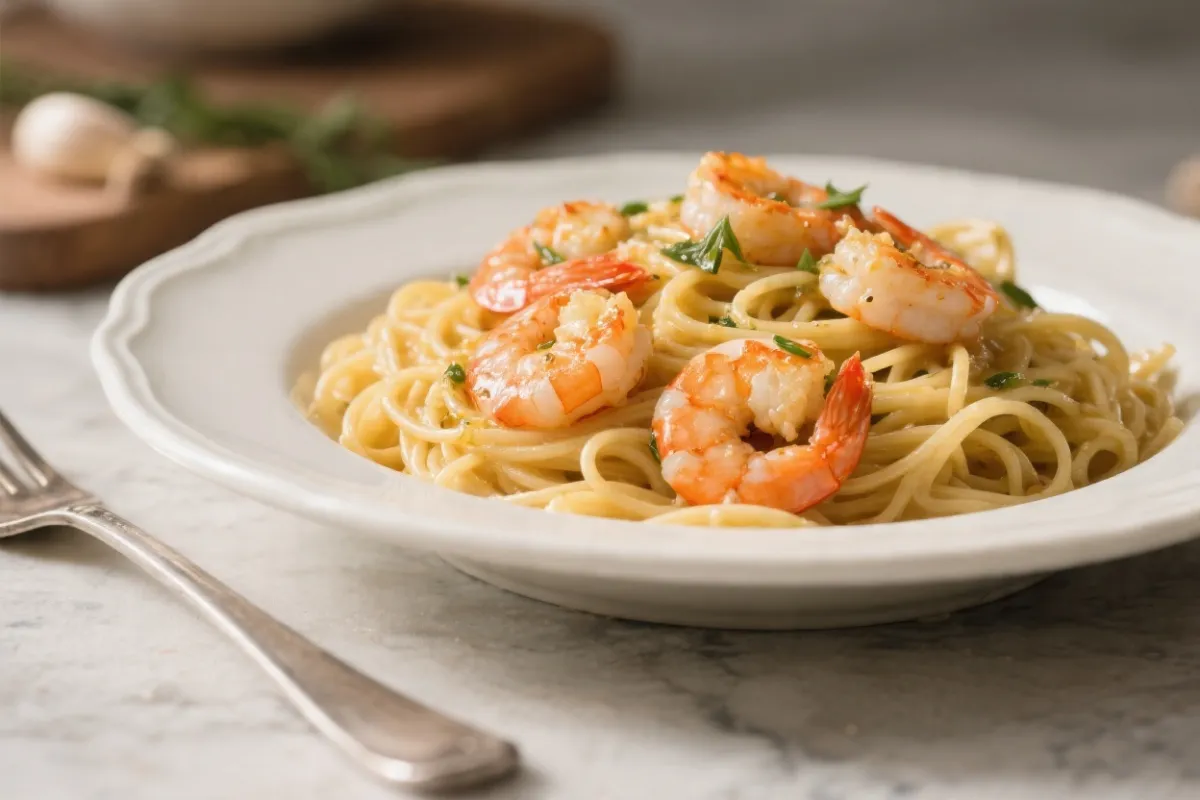
This is the kind of weeknight dinner that makes you feel like a pro without breaking a sweat. Plump shrimp, silky butter, and a bright pop of lemon come together in minutes. The sauce clings to tender spaghetti and carries garlic in every bite.
It tastes like something you’d order at a restaurant, yet it’s easy enough to cook while the pasta boils. Keep a bag of shrimp in the freezer, and you’re always 20 minutes from a great meal.
What Makes This Special
- Fast and foolproof: You cook the pasta and shrimp at the same time, so everything lands on the table quickly.
- Buttery, garlicky sauce: A simple blend of butter, olive oil, garlic, lemon, and a touch of chili flakes makes a silky, bright sauce.
- Juicy shrimp, every time: A quick sear keeps shrimp tender and bouncy, not rubbery.
- Balanced flavor: Lemon and parsley cut through the richness so it never feels heavy.
- Flexible base: Add spinach, cherry tomatoes, or white wine. Swap pasta shapes.
Make it your own.
Ingredients
- 12 ounces spaghetti or linguine (or your favorite long pasta)
- 1 pound large shrimp, peeled and deveined (tails on or off)
- 3 tablespoons unsalted butter
- 2 tablespoons extra-virgin olive oil
- 5–6 cloves garlic, thinly sliced or minced
- 1/2 teaspoon red pepper flakes (adjust to taste)
- 1/2 cup pasta cooking water (reserved)
- 1 small lemon, zested and juiced (about 2–3 tablespoons juice)
- 1/3 cup finely chopped fresh parsley
- Kosher salt and freshly ground black pepper, to taste
- Optional: 1/4 cup dry white wine, grated Parmesan for serving
Instructions
- Boil the pasta: Bring a large pot of salted water to a rolling boil. Add the pasta and cook until just shy of al dente. Reserve at least 1/2 cup of the starchy cooking water before draining.
- Prep the shrimp: Pat shrimp dry with paper towels.
Season with a big pinch of salt and a few grinds of pepper. Dry shrimp sear better and stay juicy.
- Heat the pan: In a large skillet over medium-high heat, warm 1 tablespoon olive oil and 1 tablespoon butter until the butter foams.
- Sear the shrimp: Add shrimp in a single layer. Cook 1–2 minutes per side, just until opaque and lightly pink.
Remove to a plate. Do this in batches if needed to avoid crowding.
- Build the sauce: Lower heat to medium. Add remaining olive oil and butter.
Stir in garlic and red pepper flakes. Cook 30–60 seconds, until fragrant but not browned.
- Deglaze (optional but great): If using wine, pour it in and simmer 30–60 seconds, scraping up any browned bits. Let it reduce by about half.
- Add lemon: Stir in lemon zest and juice.
Taste and season with salt and pepper. The sauce should be bright, buttery, and well balanced.
- Toss with pasta: Add drained pasta to the skillet with a splash of reserved cooking water. Toss until the sauce lightly coats the noodles and turns glossy.
Add more pasta water as needed to loosen.
- Finish with shrimp and parsley: Return shrimp to the pan and toss just to warm through, 30 seconds. Sprinkle in parsley. Taste and adjust salt, pepper, and lemon.
- Serve: Plate immediately.
Top with extra parsley, a drizzle of olive oil, and grated Parmesan if you like.
Keeping It Fresh
- Use good shrimp: If fresh isn’t available, buy frozen wild or high-quality farmed shrimp. Thaw quickly in a colander under cold running water, then dry well.
- Don’t overcook: Shrimp go from juicy to rubbery fast. Pull them the second they curl and turn pink.
- Mind the garlic: Golden is good; brown is bitter.
If it starts to color too fast, drop the heat.
- Balance the acidity: Lemon is your friend. If the sauce tastes heavy, add a squeeze. If it’s too sharp, swirl in a knob of butter.
- Use pasta water wisely: That starchy liquid helps the sauce cling.
Add it a little at a time until the pasta looks silky.
Benefits of This Recipe
- Time-saving: Dinner in about 20 minutes without cutting corners on taste.
- Protein-packed: Shrimp brings lean protein with a light, clean flavor.
- Balanced richness: Butter adds comfort; lemon and parsley keep it bright.
- One-pan sauce: Minimal cleanup, maximum payoff.
- Customizable: Easy to adapt to different diets or what’s in the fridge.
Common Mistakes to Avoid
- Crowding the pan: Overlapping shrimp steam instead of sear. Cook in batches for better texture.
- Skipping the pasta water: Without it, the sauce can feel greasy or separate. The starch brings it together.
- Overcooking pasta: Since it finishes in the pan, drain it just shy of al dente.
- Burning the garlic: Keep the heat moderate and move quickly.
Bitter garlic will dominate the dish.
- Forgetting to taste: Adjust salt, pepper, and lemon at the end. The final seasoning makes all the difference.
Variations You Can Try
- Tomato burst: Sauté a cup of halved cherry tomatoes after the garlic until they blister, then proceed with lemon and pasta water.
- Creamy twist: Stir in 1/4 cup heavy cream after the lemon for a lush, silky sauce.
- Veg-forward: Add a few handfuls of baby spinach or arugula at the end and let it wilt into the pasta.
- Herb swap: Try basil, chives, or dill in place of parsley for a new flavor profile.
- Smoky kick: Replace red pepper flakes with a pinch of smoked paprika for warmth without heat.
- Gluten-free: Use gluten-free pasta and reserve its cooking water the same way.
- Lemon-caper: Add 1–2 tablespoons drained capers with the garlic for briny brightness.
FAQ
Can I use pre-cooked shrimp?
Yes, but be careful not to overheat them. Warm pre-cooked shrimp briefly in the sauce at the very end, just until heated through, or they’ll turn chewy.
Fresh or raw shrimp deliver the best texture.
What pasta shape works best?
Long shapes like spaghetti or linguine are classic because they catch the sauce well. If you prefer short pasta, use something with ridges like rotini or penne and be generous with pasta water to help the sauce cling.
Do I have to use wine?
No. The sauce is delicious with just lemon.
If you skip wine, consider an extra splash of pasta water for body, and don’t be shy with the lemon zest to keep the flavor bright.
How do I make it dairy-free?
Swap the butter for a good olive oil or a dairy-free butter alternative. Use a fruity olive oil for flavor, and finish with extra lemon and parsley to keep it lively.
Can I add vegetables?
Absolutely. Quick-cooking options like spinach, arugula, peas, or thin asparagus pieces work well.
Sauté firmer veggies (like zucchini) before the garlic so they soften without overcooking the shrimp.
How should I store leftovers?
Cool the pasta, then store in an airtight container for up to 2 days. Reheat gently with a splash of water or broth on the stove over low heat, or in short microwave bursts, to avoid overcooking the shrimp.
Why is my sauce greasy?
You may need more pasta water to emulsify the fat, or the heat was too low while tossing. Add warm pasta water a little at a time and toss vigorously until the sauce turns glossy and coats the noodles.
How can I make it spicier?
Increase the red pepper flakes or add a pinch of cayenne.
You can also drizzle with chili oil right before serving for a clean, spicy finish.
Final Thoughts
This Garlic Shrimp Pasta is a reliable, fast favorite that never tastes rushed. A few simple moves—drying the shrimp, not burning the garlic, and using pasta water—deliver a silky, restaurant-quality result. Keep lemons, garlic, and shrimp on hand, and you’ll always have a plan for dinner.
It’s bright, buttery, and satisfying, and it hits the table in the time it takes to set it.
Ingredients
Method
- Boil the pasta: Bring a large pot of salted water to a rolling boil. Add the pasta and cook until just shy of al dente. Reserve at least 1/2 cup of the starchy cooking water before draining.
- Prep the shrimp: Pat shrimp dry with paper towels. Season with a big pinch of salt and a few grinds of pepper. Dry shrimp sear better and stay juicy.
- Heat the pan: In a large skillet over medium-high heat, warm 1 tablespoon olive oil and 1 tablespoon butter until the butter foams.
- Sear the shrimp: Add shrimp in a single layer. Cook 1–2 minutes per side, just until opaque and lightly pink. Remove to a plate. Do this in batches if needed to avoid crowding.
- Build the sauce: Lower heat to medium. Add remaining olive oil and butter. Stir in garlic and red pepper flakes. Cook 30–60 seconds, until fragrant but not browned.
- Deglaze (optional but great): If using wine, pour it in and simmer 30–60 seconds, scraping up any browned bits. Let it reduce by about half.
- Add lemon: Stir in lemon zest and juice. Taste and season with salt and pepper. The sauce should be bright, buttery, and well balanced.
- Toss with pasta: Add drained pasta to the skillet with a splash of reserved cooking water. Toss until the sauce lightly coats the noodles and turns glossy. Add more pasta water as needed to loosen.
- Finish with shrimp and parsley: Return shrimp to the pan and toss just to warm through, 30 seconds. Sprinkle in parsley. Taste and adjust salt, pepper, and lemon.
- Serve: Plate immediately. Top with extra parsley, a drizzle of olive oil, and grated Parmesan if you like.
Printable Recipe Card
Want just the essential recipe details without scrolling through the article? Get our printable recipe card with just the ingredients and instructions.