30-Minute Creamy Garlic Shrimp Pasta – Better Than Restaurant & Super Easy
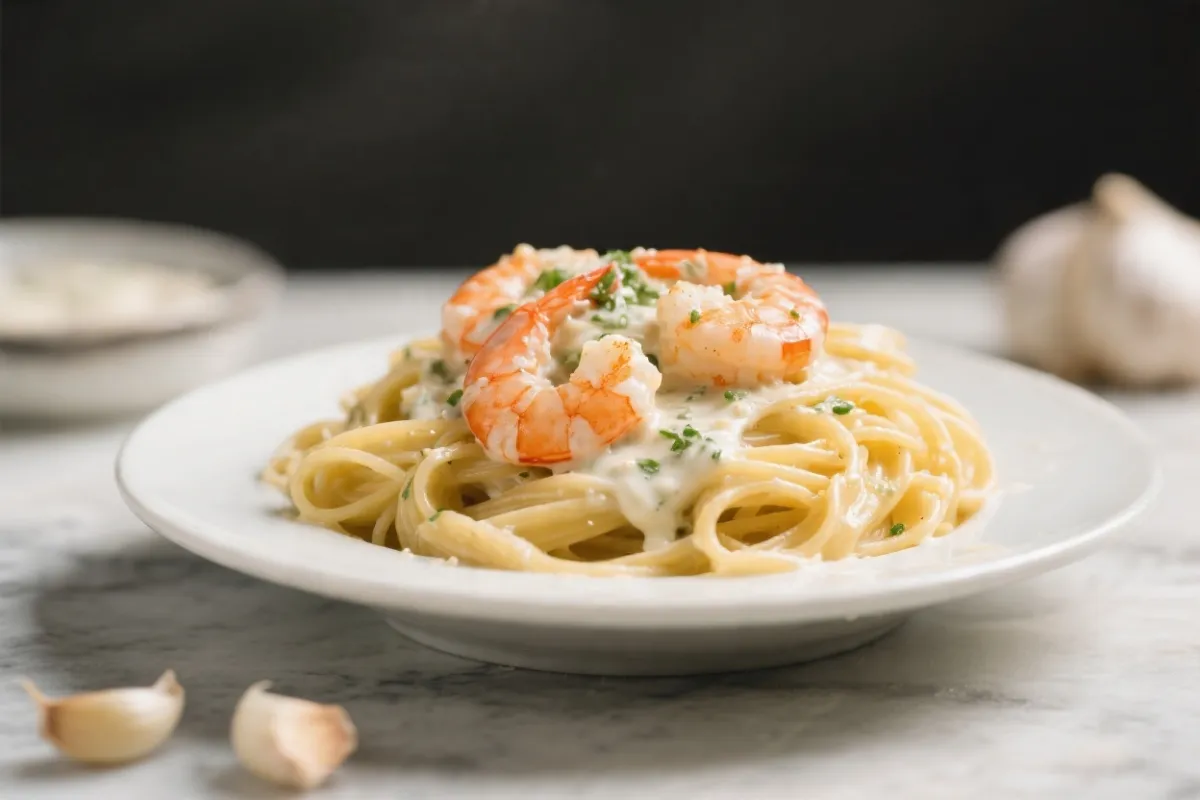
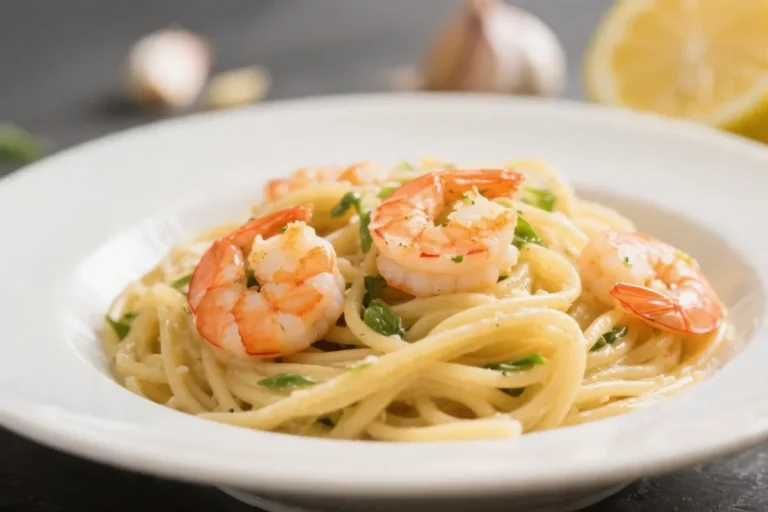
This is the kind of weeknight pasta you’ll want on repeat. Tender shrimp, a silky garlic cream sauce, and perfectly coated pasta come together in about half an hour. No complicated steps, no fancy ingredients—just pure comfort that tastes like it came from a great Italian spot.
The sauce clings to every strand, the garlic is warm and mellow, and the lemon gives it a bright finish. If you love cozy meals that feel special without the stress, this one’s for you.
Why This Recipe Works
- Layered garlic flavor: Gently sautéed garlic builds a savory base without bitterness, then finishing with a touch of lemon keeps it lively.
- Fast but rich: Using cream and a little pasta water creates a glossy, restaurant-style sauce in minutes.
- Perfect shrimp texture: Shrimp cook quickly and stay juicy when added at the right time—no rubbery bites here.
- Smart seasoning: A pinch of red pepper flakes and fresh parsley add depth without overpowering the sauce.
- Pasta water magic: Starchy water helps the sauce cling to the pasta for that silky, cohesive finish.
What You’ll Need
- Pasta: 12 oz fettuccine, linguine, or spaghetti (long shapes work best)
- Shrimp: 1 lb large shrimp, peeled and deveined (tails on or off)
- Olive oil: 2 tablespoons
- Butter: 2 tablespoons (unsalted preferred)
- Garlic: 5–6 cloves, finely minced
- Heavy cream: 1 cup
- Parmesan: 3/4 cup freshly grated, plus more for serving
- Lemon: Zest of 1/2 lemon and 1–2 tablespoons juice
- Red pepper flakes: 1/4–1/2 teaspoon (optional for a little heat)
- Parsley: 1/4 cup chopped fresh
- Salt and black pepper: To taste
- Pasta water: Reserve about 1 cup
Instructions
- Boil the pasta: Bring a large pot of salted water to a rolling boil. Cook the pasta until just shy of al dente, 1–2 minutes less than the package suggests.
Reserve 1 cup of pasta water, then drain.
- Prep the shrimp: Pat the shrimp dry. Season with a big pinch of salt and black pepper. This helps them sear instead of steam.
- Sear the shrimp: Heat 1 tablespoon olive oil and 1 tablespoon butter in a large skillet over medium-high.
Add shrimp in a single layer. Cook 1–2 minutes per side until pink and opaque. Transfer to a plate; tent loosely with foil.
- Build the garlic base: Lower heat to medium.
Add remaining 1 tablespoon olive oil and 1 tablespoon butter. Stir in the minced garlic and red pepper flakes. Cook 30–60 seconds until fragrant—do not brown.
- Create the sauce: Pour in the heavy cream.
Bring to a gentle simmer, stirring. Reduce heat to medium-low and let it thicken slightly for 2–3 minutes.
- Add cheese and lemon: Stir in the Parmesan a handful at a time until melted and smooth. Add lemon zest and 1 tablespoon lemon juice.
Taste and adjust with salt and pepper.
- Marry pasta and sauce: Add the drained pasta to the skillet. Toss to coat, loosening with splashes of reserved pasta water until glossy and silky. You’re aiming for a sauce that clings, not pools.
- Return the shrimp: Fold the shrimp and any juices back into the pan.
Warm through for 30–60 seconds. Sprinkle with parsley and another squeeze of lemon if you like.
- Serve: Plate immediately with extra Parmesan and fresh black pepper. Enjoy while hot and creamy.
Keeping It Fresh
- Storage: Refrigerate leftovers in an airtight container for up to 2 days.
The sauce may thicken—this is normal.
- Reheating: Warm gently in a skillet over low heat with a splash of water, milk, or cream to loosen the sauce. Stir often. Avoid high heat to keep shrimp tender.
- Make-ahead tips: You can mince garlic, zest lemon, and grate Parmesan in advance.
Cook the shrimp fresh for the best texture.
- Freezing: Not ideal. Cream sauces can separate and shrimp can turn rubbery after thawing.
Health Benefits
- Protein-rich: Shrimp provide lean, high-quality protein that helps keep you full and supports muscle maintenance.
- Minerals and vitamins: Shrimp offer selenium, iodine, and vitamin B12—key for metabolism, thyroid support, and cell health.
- Balanced energy: Pasta adds complex carbs for steady energy, while healthy fats from olive oil aid nutrient absorption.
- Portion flexibility: Pair with a side salad or steamed veggies to add fiber and lighten the overall meal.
Common Mistakes to Avoid
- Overcooking shrimp: They cook fast. Pull them as soon as they turn pink and curl into a loose C.
A tight O-shape means they’re overdone.
- Boiling the cream: Keep the sauce at a gentle simmer. Vigorous boiling can cause separation and a greasy texture.
- Skipping pasta water: This is your secret ingredient for a glossy, cohesive sauce. Add a little at a time.
- Using pre-shredded cheese: Pre-grated Parmesan often contains anti-caking agents that prevent smooth melting.
Freshly grated is best.
- Under-seasoning: Taste as you go. Cream and pasta can mute flavors; add salt, pepper, and lemon to brighten.
Recipe Variations
- Spinach and tomato: Toss in a few cups of baby spinach and a handful of halved cherry tomatoes in step 6 for color and freshness.
- Mushroom upgrade: Sauté sliced cremini or shiitake before the garlic for a deeper, earthy note.
- Lighter version: Swap half the cream for whole milk and add a teaspoon of cornstarch slurry to maintain body. Simmer gently.
- Extra garlicky: Roast a head of garlic and mash into the sauce for a sweet, mellow garlic depth.
- Herb twist: Replace parsley with basil or chives, or add a pinch of Italian seasoning to the cream.
- Lemon-pepper: Increase lemon zest and add more cracked black pepper for a zesty, cacio-e-pepe vibe.
- Gluten-free: Use your favorite gluten-free spaghetti and ensure the Parmesan is compliant.
FAQ
Can I use frozen shrimp?
Yes.
Thaw them overnight in the fridge or quickly under cold running water. Pat very dry before cooking to get a good sear and avoid a watery sauce.
What pasta shape works best?
Long shapes like fettuccine, linguine, or spaghetti are ideal because they catch the creamy sauce. Short shapes like penne work too, but the texture feels different.
Can I substitute half-and-half for heavy cream?
You can, but the sauce will be thinner.
Simmer longer to reduce, or add a small cornstarch slurry to help it thicken without splitting.
How do I prevent the sauce from curdling?
Keep the heat moderate, add cheese gradually off the boil, and avoid sudden acid shocks. Stir in lemon juice after the cheese has melted and the heat is low.
Is there a dairy-free option?
Try full-fat coconut milk or a rich cashew cream. Use a dairy-free Parmesan-style cheese or nutritional yeast for a savory note.
Expect a slightly different flavor profile.
What can I use instead of shrimp?
Chicken strips, scallops, or even sautéed mushrooms make great substitutes. Adjust cook times accordingly—chicken needs longer, scallops are quick like shrimp.
How salty should the pasta water be?
Salty like the sea. A good rule is about 1–1.5 tablespoons of kosher salt per pound of pasta.
This seasons the pasta from within and improves the final dish.
Can I add white wine?
Absolutely. After sautéing the garlic, splash in 1/4 cup dry white wine and let it reduce by half before adding cream. It adds brightness and complexity.
Why is my sauce grainy?
Likely pre-grated cheese or overheating.
Use freshly grated Parmesan and keep the sauce below a boil when adding cheese, stirring until smooth.
How can I make it spicier?
Increase red pepper flakes, or finish with a drizzle of chili oil. Taste as you go to keep the heat balanced with the creamy sauce.
Final Thoughts
This creamy garlic shrimp pasta hits that perfect sweet spot: simple steps, fast timing, and a luxurious finish. With a few smart techniques—properly salted pasta water, gentle heat, and fresh Parmesan—you’ll get a restaurant-quality dish at home any night of the week.
Keep the base recipe handy, then riff with veggies, herbs, or a splash of wine. It’s a reliable crowd-pleaser you’ll come back to again and again.
Ingredients
Method
- Boil the pasta: Bring a large pot of salted water to a rolling boil. Cook the pasta until just shy of al dente, 1–2 minutes less than the package suggests. Reserve 1 cup of pasta water, then drain.
- Prep the shrimp: Pat the shrimp dry. Season with a big pinch of salt and black pepper. This helps them sear instead of steam.
- Sear the shrimp: Heat 1 tablespoon olive oil and 1 tablespoon butter in a large skillet over medium-high. Add shrimp in a single layer. Cook 1–2 minutes per side until pink and opaque. Transfer to a plate; tent loosely with foil.
- Build the garlic base: Lower heat to medium. Add remaining 1 tablespoon olive oil and 1 tablespoon butter. Stir in the minced garlic and red pepper flakes. Cook 30–60 seconds until fragrant—do not brown.
- Create the sauce: Pour in the heavy cream. Bring to a gentle simmer, stirring. Reduce heat to medium-low and let it thicken slightly for 2–3 minutes.
- Add cheese and lemon: Stir in the Parmesan a handful at a time until melted and smooth. Add lemon zest and 1 tablespoon lemon juice. Taste and adjust with salt and pepper.
- Marry pasta and sauce: Add the drained pasta to the skillet. Toss to coat, loosening with splashes of reserved pasta water until glossy and silky. You’re aiming for a sauce that clings, not pools.
- Return the shrimp: Fold the shrimp and any juices back into the pan. Warm through for 30–60 seconds. Sprinkle with parsley and another squeeze of lemon if you like.
- Serve: Plate immediately with extra Parmesan and fresh black pepper. Enjoy while hot and creamy.
Printable Recipe Card
Want just the essential recipe details without scrolling through the article? Get our printable recipe card with just the ingredients and instructions.