Custard Bread Pudding Recipe – Comforting, Simple, and Delicious
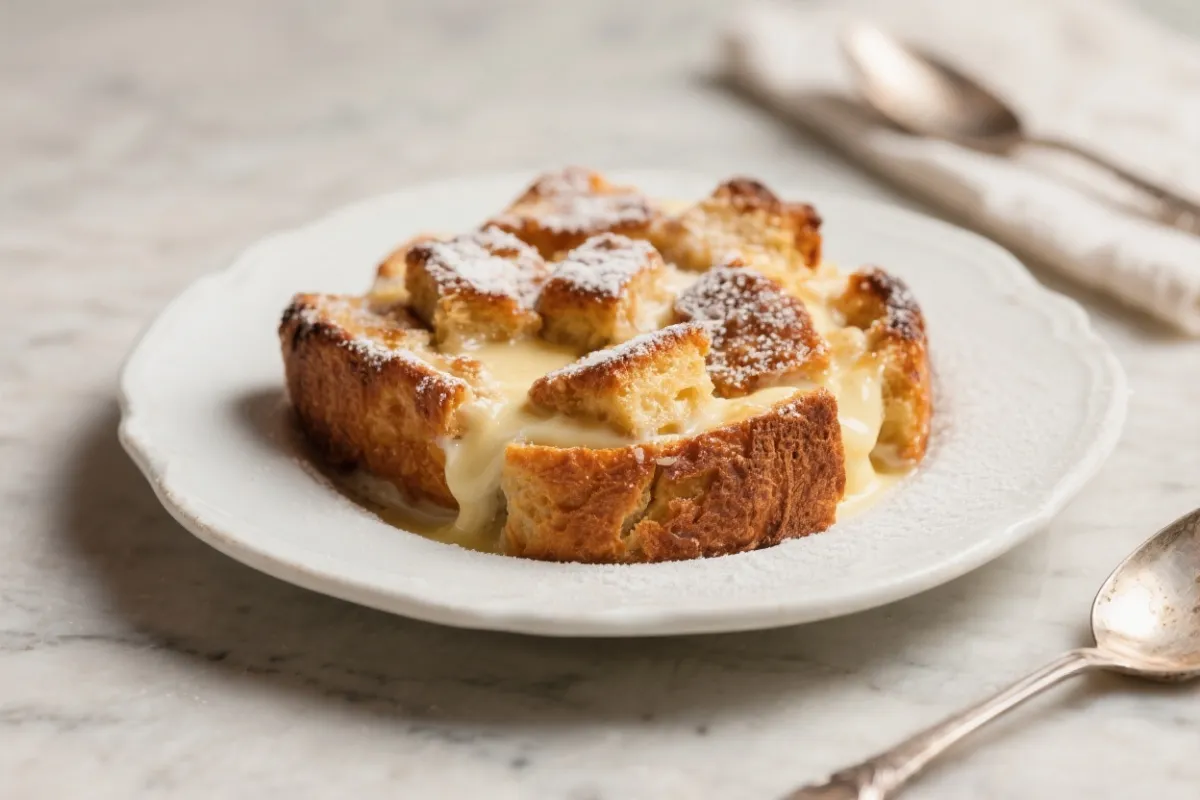
A warm, silky custard bread pudding is the kind of dessert that makes a kitchen feel like home. It’s a great way to use up day-old bread and turn it into something rich and cozy. The edges bake up golden and crisp, while the middle stays creamy and soft.
Add a handful of raisins or a splash of vanilla, and you’ve got nostalgia in a baking dish. This version is straightforward, forgiving, and perfect for both beginners and seasoned home bakers.
What Makes This Special
This custard bread pudding focuses on balance: not too sweet, not too heavy, and full of simple flavors that shine. The custard is thickened just enough to hold together without turning rubbery, and the bread keeps a tender bite.
You can dress it up with spices or keep it classic with vanilla and butter. It also reheats beautifully, so it’s ideal for make-ahead desserts or a cozy weekend brunch.
What You’ll Need
- Day-old bread (about 6–7 cups, cubed): brioche, challah, French bread, or sturdy sandwich bread
- Milk – 2 cups (whole milk preferred for creaminess)
- Heavy cream – 1 cup (or use all milk for a lighter version)
- Large eggs – 5
- Granulated sugar – 2/3 cup (adjust to taste)
- Vanilla extract – 2 teaspoons
- Ground cinnamon – 1 teaspoon (optional but recommended)
- Ground nutmeg – 1/4 teaspoon (optional)
- Salt – 1/4 teaspoon
- Unsalted butter – 3 tablespoons, melted (plus more for greasing)
- Raisins or currants – 1/2 cup (optional)
- Orange or lemon zest – 1 teaspoon (optional, for brightness)
- Turbinado or coarse sugar – 1–2 tablespoons for topping (optional)
Step-by-Step Instructions
- Prep the pan and oven. Preheat oven to 350°F (175°C). Grease a 9×13-inch baking dish or a deep 2-quart casserole with butter.
- Cube the bread. Cut bread into 1-inch cubes.
If it’s very fresh, spread cubes on a sheet pan and toast in the oven for 8–10 minutes to dry slightly.
- Warm the dairy. In a saucepan, heat milk and cream over medium-low until warm and steamy, not boiling. This helps the sugar dissolve and the custard blend smoothly.
- Make the custard base. In a large bowl, whisk eggs, sugar, vanilla, cinnamon, nutmeg, and salt until smooth. Slowly whisk the warm milk mixture into the eggs, a little at a time, to avoid scrambling.
- Combine with bread. Add bread cubes to the baking dish.
Sprinkle in raisins and zest if using. Pour the custard evenly over the bread, pressing down gently so every piece absorbs liquid.
- Rest and soak. Let the mixture sit for 15–20 minutes. This soaking step gives you a creamy center and prevents dry patches.
- Add butter and topping. Drizzle melted butter over the top.
If you like a light crunch, sprinkle with turbinado sugar.
- Bake. Place the dish on the middle rack and bake for 40–50 minutes. The pudding is done when the edges are set and golden, and the center jiggles slightly but isn’t watery. A knife inserted near the center should come out mostly clean.
- Rest before serving. Cool for 10–15 minutes.
Serve warm as is, or top with cream, ice cream, or a drizzle of caramel or maple syrup.
Storage Instructions
- Refrigerate: Cool completely, cover tightly, and refrigerate for up to 4 days.
- Reheat: Warm individual portions in the microwave for 30–60 seconds or reheat the dish, covered with foil, in a 325°F (165°C) oven for 15–20 minutes.
- Freeze: Wrap well and freeze for up to 2 months. Thaw overnight in the fridge, then reheat in the oven until warmed through.
Health Benefits
While custard bread pudding is a treat, it offers a few perks. Eggs provide high-quality protein and essential nutrients like choline and vitamin D. Using milk adds calcium and a bit of protein as well.
If you choose whole-grain bread, you’ll boost fiber, which helps with fullness and digestion. You can also reduce sugar slightly or swap some cream for milk to lighten the dessert without losing its cozy appeal.
Common Mistakes to Avoid
- Skipping the soak: If the bread doesn’t absorb the custard, you’ll get dry spots. Always let it rest before baking.
- Overbaking: This leads to a rubbery texture.
Pull it when the center still has a gentle jiggle.
- Using bread that’s too soft: Very squishy sandwich bread can turn mushy. Choose sturdier loaves or lightly toast the cubes.
- Custard too hot when whisking: Pouring very hot milk into the eggs can curdle them. Warm is good; steaming hot is not.
- Under-seasoning: A pinch of salt and enough vanilla make a big difference in flavor.
Variations You Can Try
- Chocolate Chip: Stir in 1/2 to 3/4 cup chocolate chips and add a teaspoon of espresso powder to the custard.
- Apple Cinnamon: Fold in 1 1/2 cups of sautéed apples with a touch of brown sugar and extra cinnamon.
- Citrus Almond: Add orange zest, swap vanilla for 1 teaspoon almond extract, and top with sliced almonds.
- Berry and Lemon: Scatter 1 cup fresh or frozen berries and add lemon zest.
Serve with a spoon of yogurt or whipped cream.
- Maple Pecan: Replace some sugar with maple syrup and add chopped toasted pecans on top.
- Dairy-Light: Use all milk, or a mix of milk and evaporated milk, and reduce sugar by a couple tablespoons.
FAQ
Can I use gluten-free bread?
Yes. Choose a sturdy gluten-free loaf so it holds up to soaking. You may want to toast the cubes first to help the texture.
What’s the best bread for custard bread pudding?
Brioche and challah are classic for their richness and structure.
French bread and sturdy country loaves also work well. Avoid super soft, thin-sliced bread unless you dry it out in the oven first.
How do I know when it’s fully baked?
The edges should be set and browned, and the center should gently wobble. A knife inserted about an inch from the center should come out mostly clean, with no wet custard pooling.
Can I make it ahead?
Yes.
Assemble and chill, covered, for up to 12 hours. Let it sit at room temperature for 20–30 minutes before baking to take the chill off, then bake as directed.
Do I have to use raisins?
No. Skip them or swap with dried cranberries, chopped dates, or chocolate chips.
You can also add fresh fruit like berries or diced pears.
How can I prevent a soggy bottom?
Use day-old or lightly toasted bread so it absorbs evenly. Don’t overfill the dish with custard beyond the top layer of bread, and bake on the middle rack for even heat.
Can I reduce the sugar?
Absolutely. Cut it back to 1/2 cup for a less sweet pudding, especially if you plan to serve it with a sweet sauce or ice cream.
Is a water bath necessary?
It’s not required for this recipe.
A moderate oven and resting time after baking help keep the custard tender without fussing with a water bath.
In Conclusion
This custard bread pudding recipe is classic comfort with simple steps and dependable results. With a creamy center, golden edges, and plenty of room for your favorite add-ins, it’s the kind of dessert that never goes out of style. Keep a loaf on hand, save your stale bread, and you’ll always be just a short bake away from something warm and wonderful.
Ingredients
Method
- Prep the pan and oven. Preheat oven to 350°F (175°C). Grease a 9x13-inch baking dish or a deep 2-quart casserole with butter.
- Cube the bread. Cut bread into 1-inch cubes. If it’s very fresh, spread cubes on a sheet pan and toast in the oven for 8–10 minutes to dry slightly.
- Warm the dairy. In a saucepan, heat milk and cream over medium-low until warm and steamy, not boiling. This helps the sugar dissolve and the custard blend smoothly.
- Make the custard base. In a large bowl, whisk eggs, sugar, vanilla, cinnamon, nutmeg, and salt until smooth. Slowly whisk the warm milk mixture into the eggs, a little at a time, to avoid scrambling.
- Combine with bread. Add bread cubes to the baking dish. Sprinkle in raisins and zest if using. Pour the custard evenly over the bread, pressing down gently so every piece absorbs liquid.
- Rest and soak. Let the mixture sit for 15–20 minutes. This soaking step gives you a creamy center and prevents dry patches.
- Add butter and topping. Drizzle melted butter over the top. If you like a light crunch, sprinkle with turbinado sugar.
- Bake. Place the dish on the middle rack and bake for 40–50 minutes. The pudding is done when the edges are set and golden, and the center jiggles slightly but isn’t watery. A knife inserted near the center should come out mostly clean.
- Rest before serving. Cool for 10–15 minutes. Serve warm as is, or top with cream, ice cream, or a drizzle of caramel or maple syrup.
Printable Recipe Card
Want just the essential recipe details without scrolling through the article? Get our printable recipe card with just the ingredients and instructions.