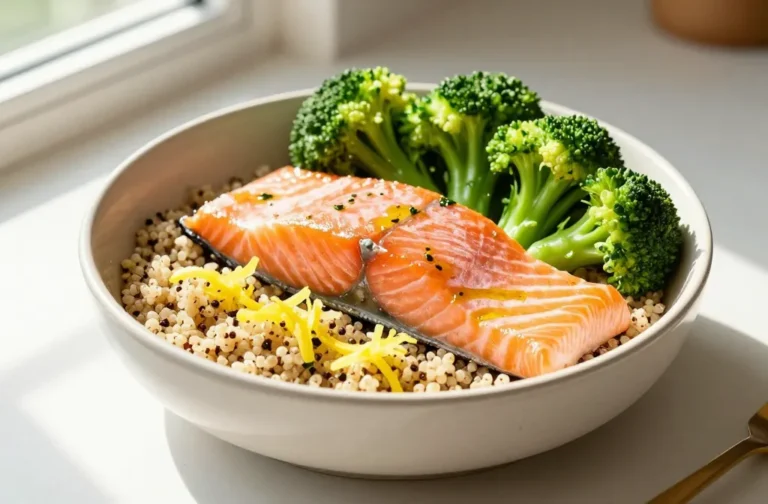
Easy High-Protein Freezer-Friendly Bowls (Perfect for Meal Prep)
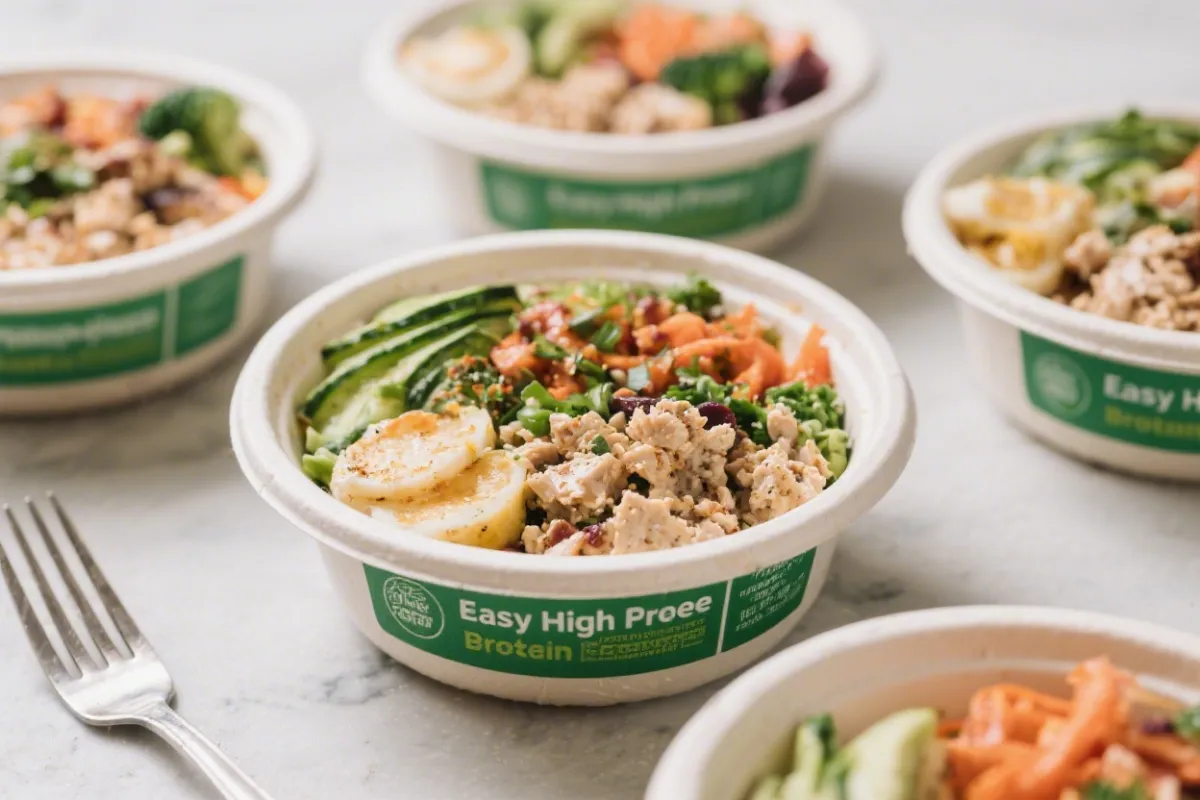
These bowls are the kind of meal prep that makes weeknights feel easy. You cook once, freeze, and pull out a balanced, protein-packed meal whenever you need it. No fuss, no mystery ingredients, just real food that keeps you full.
They’re flexible, too, so you can swap proteins, grains, and sauces based on what you like or what’s in your kitchen. If you’re trying to hit your protein goals without cooking every day, this is a smart, stress-free way to do it.
Why This Recipe Works
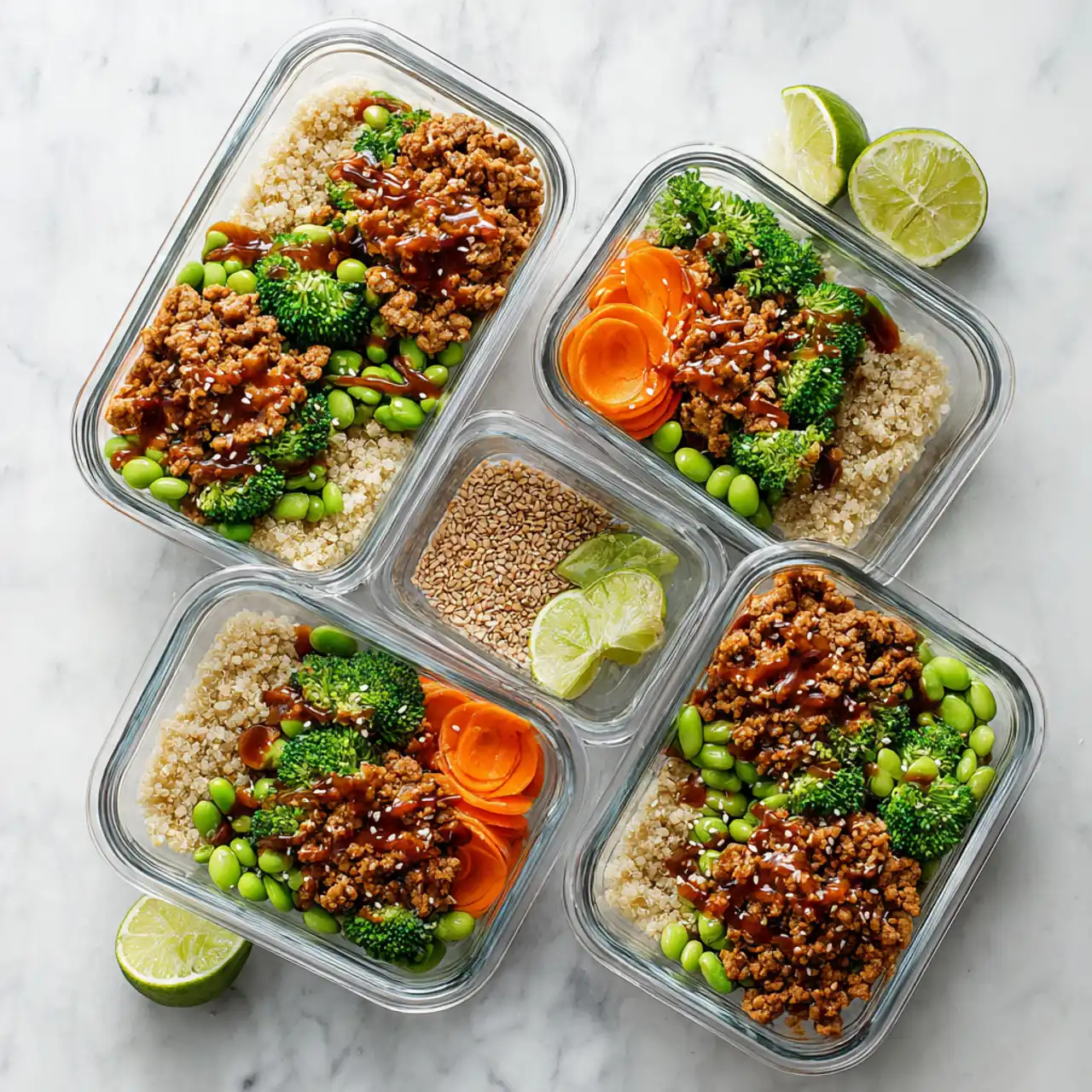
These bowls are built with a simple formula: protein + grain + vegetable + sauce. That means each serving is filling, balanced, and satisfying.
Everything is cooked ahead and freezes well, so you don’t end up with soggy or bland leftovers.
The flavors are bright, but the ingredients are practical and affordable. You can mix and match, so you don’t feel like you’re eating the same thing all week. And with a good sauce and proper seasoning, it tastes like takeout without the price or the wait.
Ingredients
Base Recipe (Makes 6 Bowls)
- Protein: 2 pounds lean ground turkey or chicken (or 2 cans chickpeas for a plant-based option)
- Grain: 3 cups cooked brown rice or quinoa (about 1 cup dry quinoa or 1.5 cups dry brown rice)
- Vegetables: 4 cups frozen mixed vegetables (like broccoli, carrots, peas, or stir-fry blend)
- Aromatics: 1 medium onion, diced; 3 cloves garlic, minced; 1 tablespoon grated ginger (optional)
- Sauce: 1/3 cup low-sodium soy sauce or tamari, 2 tablespoons rice vinegar or lemon juice, 1 tablespoon honey or maple syrup, 1 tablespoon sesame oil (optional), 1–2 teaspoons sriracha or chili flakes (optional)
- Seasoning: 1 teaspoon kosher salt, 1/2 teaspoon black pepper
- Add-Ins: 1 cup canned corn or edamame (optional), 2 tablespoons toasted sesame seeds or chopped nuts (optional)
- Garnish for serving: Sliced green onions, lime wedges, or a drizzle of yogurt or tahini (add after reheating)
How to Make It
- Cook the grain. Make brown rice or quinoa according to package directions.Fluff and let it cool slightly so steam doesn’t make the bowls watery.
- Sauté the aromatics. Warm a large skillet over medium heat with a splash of oil. Add onion and cook until soft, 3–4 minutes. Stir in garlic and ginger for 30–60 seconds until fragrant.
- Brown the protein. Add ground turkey or chicken.Break it up with a spoon and cook until no longer pink and lightly browned. Season with salt and pepper. If using chickpeas, rinse, drain, and sauté for 2–3 minutes to dry them out slightly.
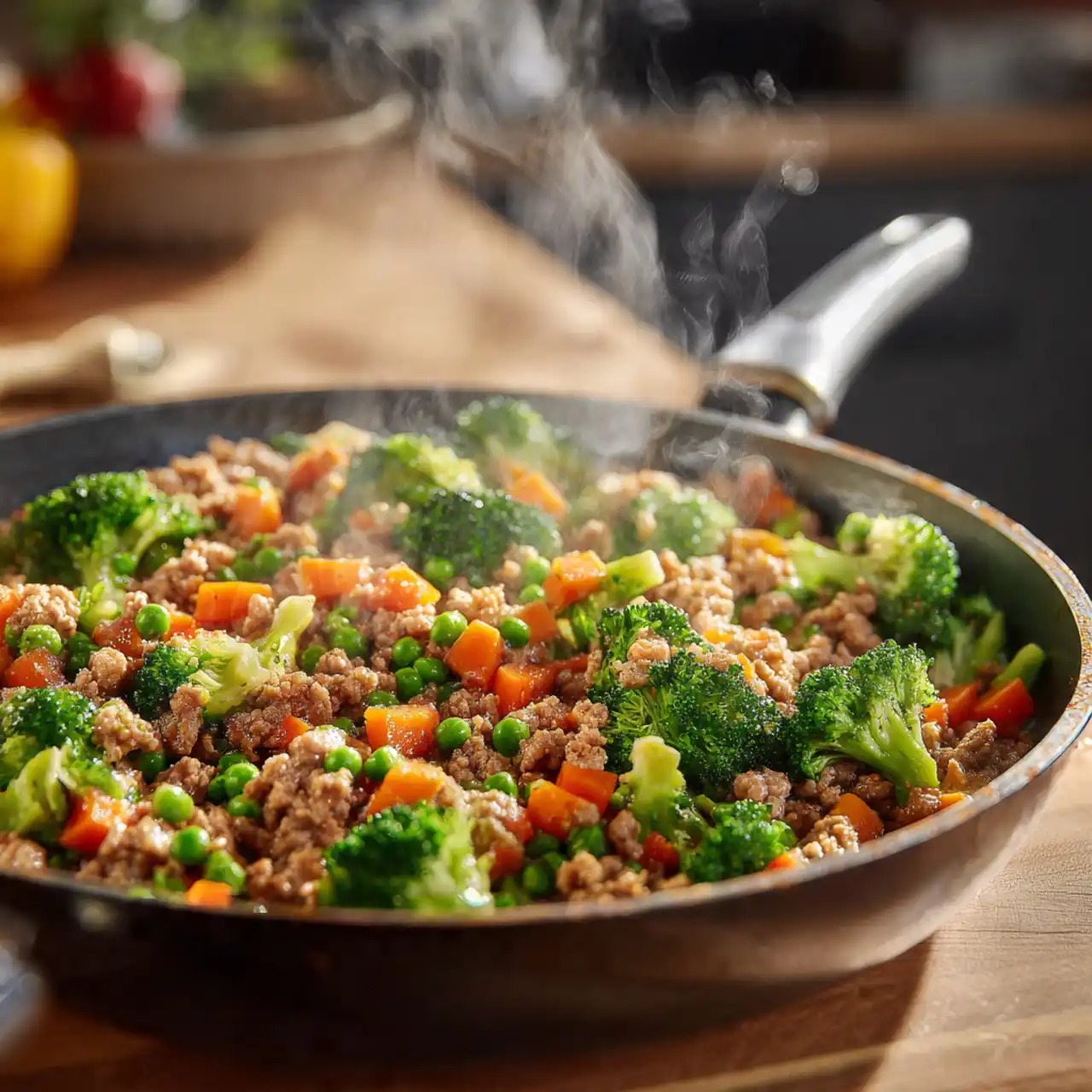
- Steam or sauté the vegetables. Add frozen veggies straight to the pan.Cook until hot and tender-crisp, about 5–7 minutes. If there’s excess liquid, let it cook off.
- Mix the sauce. In a small bowl, whisk soy sauce, vinegar or lemon, honey or maple, sesame oil, and sriracha if using. Taste and adjust—add more acid for brightness, more honey for balance.
- Combine. Pour the sauce into the pan and toss with the protein and vegetables.Cook for 1–2 minutes to let flavors meld. Remove from heat.
- Assemble the bowls. Divide the cooked grain into 6 freezer-safe containers. Top with the saucy protein and vegetables.Sprinkle on sesame seeds or nuts if using.
- Cool completely. Let the bowls sit uncovered until they’re no longer warm. This prevents condensation and freezer burn.
- Seal and label. Cover tightly, label with the date, and freeze.
- Reheat. Microwave from frozen 4–6 minutes, stirring halfway, or thaw overnight in the fridge and heat 2–3 minutes. Add fresh garnishes after reheating.
Keeping It Fresh
- Cool before freezing. Trapped steam turns to ice and ruins texture.Let everything reach room temp first.
- Use the right containers. Choose freezer-safe, airtight containers. Leave a little headspace but avoid lots of extra air.
- Freeze flat if using bags. Press bowls into a flat layer for quicker freezing and even reheating.
- Store sauce smartly. If using creamy sauces (like yogurt or tahini), store them separately and add after reheating.
- Best by window. For peak taste, eat within 2–3 months. They’re safe longer, but flavor and texture fade.
Why This is Good for You
- High protein means steady energy. Each bowl packs roughly 30–40g of protein (depending on protein choice and portions), which supports muscle recovery and keeps you full.
- Fiber-rich grains and veggies. Brown rice or quinoa plus vegetables support digestion and help manage appetite.
- Balanced macros. You get a smart mix of protein, complex carbs, and healthy fats, especially if you add sesame oil or nuts.
- Lower sodium, higher nutrients. Using low-sodium soy sauce and whole ingredients keeps it nutritious without sacrificing flavor.
Pitfalls to Watch Out For
- Watery bowls. Don’t pack food while hot.Cook off extra liquid in the pan before assembling.
- Bland flavors. Taste the sauce before adding. Add acid (lemon or vinegar) and salt to brighten; a touch of sweet balances soy.
- Mushy veggies. Stop cooking when tender-crisp. They’ll soften a bit more when reheated.
- Dry protein. Don’t overcook ground meat.The sauce should lightly coat everything for moisture.
- Soggy garnishes. Add fresh herbs, green onions, yogurt, or crunchy toppings after reheating.
Variations You Can Try
- Southwest Bowl: Chicken or black beans, brown rice, corn, peppers, onions. Sauce: lime juice, cumin, smoked paprika, olive oil, and a little hot sauce. Serve with salsa or Greek yogurt.
- Mediterranean Bowl: Ground turkey or chickpeas, quinoa, spinach, cherry tomatoes (add after reheating), olives.Sauce: lemon, garlic, olive oil, oregano. Top with feta after reheating.
- Teriyaki-Style: Ground chicken, broccoli, carrots, edamame. Sauce: soy, mirin or a little honey, ginger, garlic.Finish with sesame seeds.
- Curry Bowl: Ground turkey or tofu, peas, carrots, cauliflower rice or basmati. Sauce: coconut milk, curry paste or powder, lime. Add cilantro after reheating.
- Breakfast Protein Bowl: Turkey sausage or tofu scramble, quinoa, peppers, spinach.Sauce: salsa or hot sauce. Top with avocado after reheating.
FAQ
Can I use fresh vegetables instead of frozen?
Yes. Chop them into bite-size pieces and sauté until tender-crisp.
Fresh veggies release less water than frozen, which can help keep bowls from getting soggy.
How long do these bowls last in the freezer?
For best taste and texture, use within 2–3 months. They’re safe beyond that if kept frozen, but quality drops over time.
What’s the best way to reheat without drying it out?
Microwave covered, with a splash of water if needed. Stir halfway through.
You can also reheat in a skillet over medium heat with a little broth or water.
Can I make this dairy-free and gluten-free?
Yes. Use tamari or coconut aminos for gluten-free, and avoid any dairy-based toppings. Most versions of this recipe are naturally dairy-free.
How can I increase the protein even more?
Add extra lean meat, tofu, or beans, or stir in egg whites as you finish cooking the protein.
A dollop of Greek yogurt on top after reheating is another easy boost.
Do grains freeze well?
They do, especially brown rice and quinoa. Let them cool before freezing and avoid packing them while steamy to prevent clumping.
Can I make these bowls low-carb?
Swap the grain for cauliflower rice or shredded cabbage. Cook them briefly to soften, then cool and assemble as usual.
Should I under-season before freezing?
Season normally, but keep salt moderate if your sauce includes soy.
You can always add a pinch of salt or a squeeze of lemon after reheating to wake up the flavors.
Is it safe to refreeze after thawing?
If the bowl was thawed in the fridge and kept cold, it’s generally safe to refreeze once. However, the texture may suffer. For best results, portion into single servings to avoid refreezing.
What container size works best?
Choose 3–4 cup freezer-safe containers for balanced portions.
Shallow containers reheat more evenly than deep ones.
In Conclusion
These high-protein freezer-friendly bowls make eating well the easiest part of your day. Cook once, stack your freezer, and you’ve got balanced meals ready whenever hunger hits. Keep the formula simple, season boldly, and add fresh garnishes after reheating.
With a few smart tweaks, you can turn the same base into new flavors all month long.
Easy High-Protein Freezer-Friendly Bowls (Perfect for Meal Prep) - Simple, Balanced, and Ready to Go
Ingredients
Method
- Cook the grain. Make brown rice or quinoa according to package directions. Fluff and let it cool slightly so steam doesn’t make the bowls watery.
- Sauté the aromatics. Warm a large skillet over medium heat with a splash of oil. Add onion and cook until soft, 3–4 minutes. Stir in garlic and ginger for 30–60 seconds until fragrant.
- Brown the protein. Add ground turkey or chicken. Break it up with a spoon and cook until no longer pink and lightly browned. Season with salt and pepper. If using chickpeas, rinse, drain, and sauté for 2–3 minutes to dry them out slightly.
- Steam or sauté the vegetables. Add frozen veggies straight to the pan. Cook until hot and tender-crisp, about 5–7 minutes. If there’s excess liquid, let it cook off.
- Mix the sauce. In a small bowl, whisk soy sauce, vinegar or lemon, honey or maple, sesame oil, and sriracha if using. Taste and adjust—add more acid for brightness, more honey for balance.
- Combine. Pour the sauce into the pan and toss with the protein and vegetables. Cook for 1–2 minutes to let flavors meld. Remove from heat.
- Assemble the bowls. Divide the cooked grain into 6 freezer-safe containers. Top with the saucy protein and vegetables. Sprinkle on sesame seeds or nuts if using.
- Cool completely. Let the bowls sit uncovered until they’re no longer warm. This prevents condensation and freezer burn.
- Seal and label. Cover tightly, label with the date, and freeze.
- Reheat. Microwave from frozen 4–6 minutes, stirring halfway, or thaw overnight in the fridge and heat 2–3 minutes. Add fresh garnishes after reheating.
Printable Recipe Card
Want just the essential recipe details without scrolling through the article? Get our printable recipe card with just the ingredients and instructions.