How to Make Crème Fraîche (in One Easy Step!) Recipe – Rich, Tangy, and Foolproof
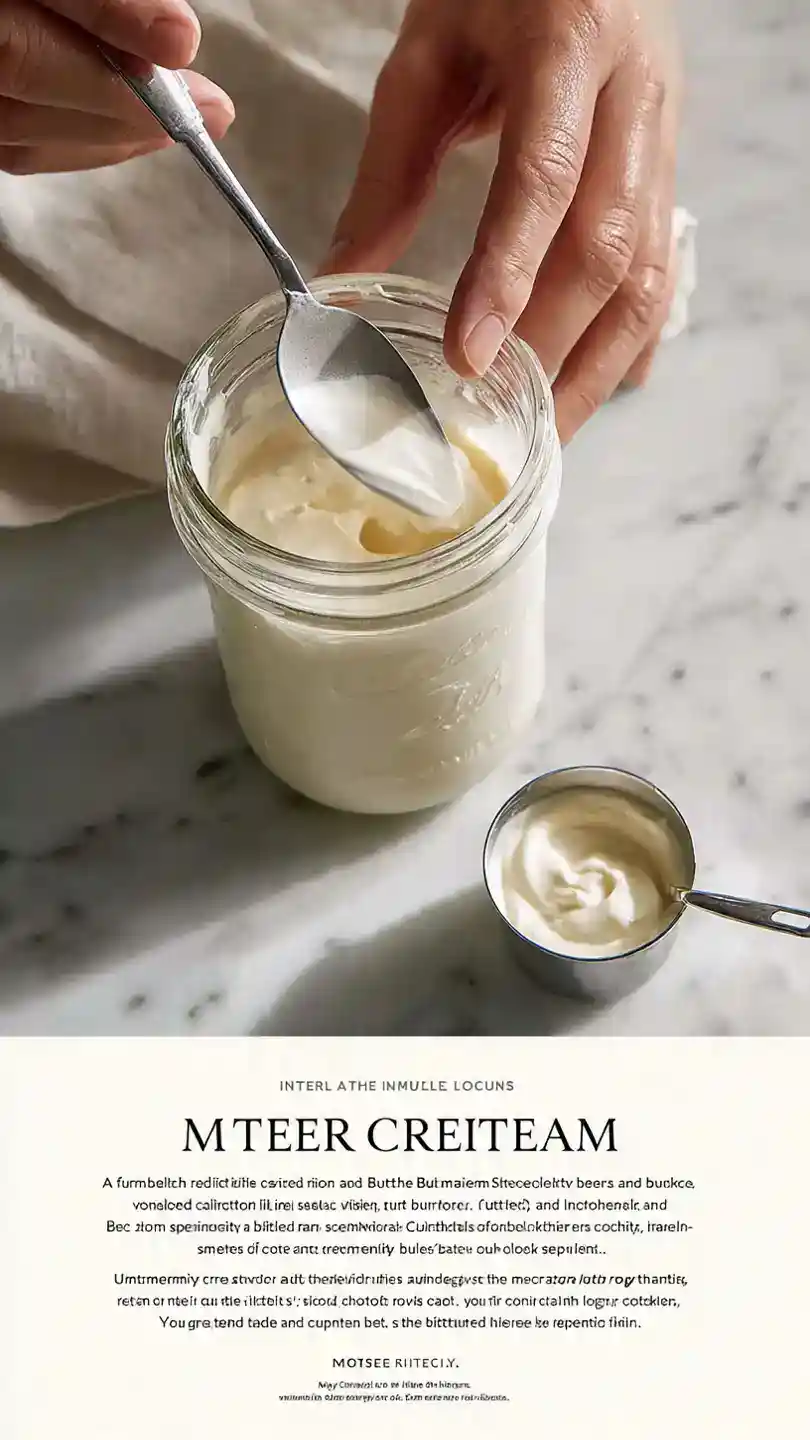
Crème fraîche sounds fancy, but it’s one of the easiest things you can make at home. With just two ingredients and a little patience, you’ll have a silky, tangy cream that makes everything taste better. Spoon it over berries, swirl it into soups, or use it as a calmer, richer cousin of sour cream.
Once you try homemade, you might never go back to store-bought. It’s fresher, cheaper, and you control the flavor and thickness.
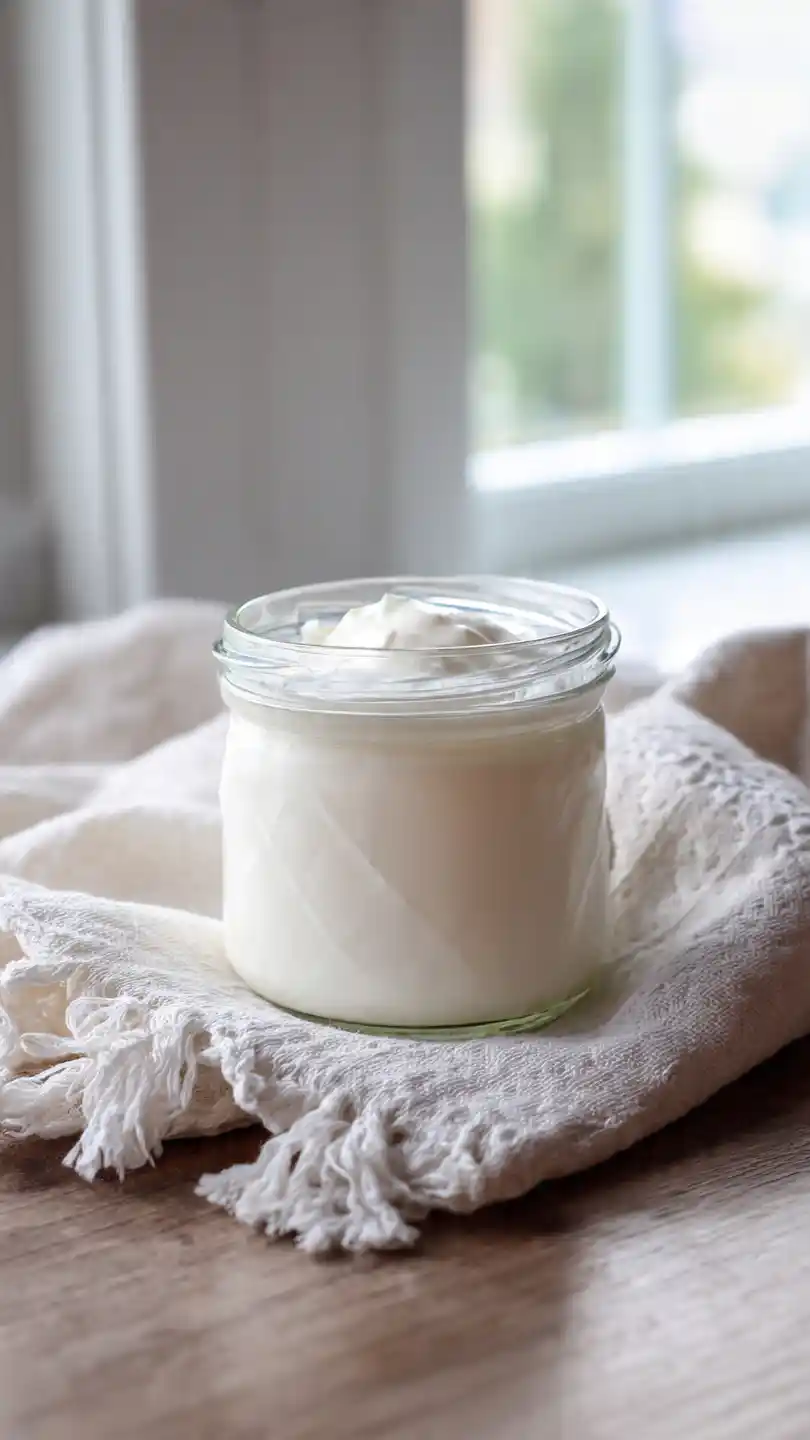
Why This Recipe Works
Homemade crème fraîche relies on friendly bacteria from cultured buttermilk to thicken heavy cream gently. As it rests at room temperature, those cultures multiply and create a mild tang while transforming the cream into a spoonable, luxurious texture.
There’s no cooking or special equipment required—just time. The fat content in heavy cream gives crème fraîche its signature richness and helps it hold up to heat without curdling. That means it’s perfect for finishing sauces and soups.
Using cultured buttermilk introduces the right bacteria reliably, so the result is consistent and safe when handled properly.
What You’ll Need
- 2 cups (480 ml) heavy cream — Use pasteurized, not ultra-pasteurized if possible, for best thickening and flavor.
- 2 tablespoons cultured buttermilk — Make sure it’s labeled “cultured” and is plain, with live active cultures.
- Clean glass jar with lid — A pint-size jar works well.
- Spoon and measuring tools — For accuracy and cleanliness.
- Clean kitchen towel or breathable cover — To cover the jar while it ferments.
Step-by-Step Instructions
- Sanitize your jar and tools. Wash your jar, spoon, and measuring tools with hot, soapy water, then rinse and dry well. Clean tools lower the chance of unwanted bacteria.
- Combine the cream and buttermilk. Pour the heavy cream into the jar. Add the cultured buttermilk and stir gently to blend.Don’t whip air in—just mix until combined.
- Cover loosely and let it sit at room temperature. Place a clean towel or loosely set the lid on top (don’t seal airtight). Set the jar somewhere out of direct sunlight, ideally around 70–75°F (21–24°C).
- Wait 12 to 24 hours. Check at 12 hours. It should look thicker, like pourable yogurt.If it’s still thin, give it a few more hours. Cooler rooms can take up to 36 hours. Trust your senses: it should smell pleasantly tangy and creamy.
- Stir, then chill to set. Once thickened, give it a gentle stir, seal the lid, and refrigerate for at least 4 hours.It will thicken further as it chills.
- Taste and adjust. For a tangier flavor, let it sit at room temperature a little longer next time before refrigerating. For milder flavor, chill it sooner.
How to Store
- Refrigerate immediately after it sets. Keep it cold once you’ve achieved the texture and tang you like.
- Use within 2 weeks. Homemade crème fraîche typically stays fresh for 10–14 days when stored in a clean, sealed jar.
- Always use clean utensils. Double-dipping can introduce bacteria and shorten its life.
- Watch for off smells or separation. A slight layer of cream on top is normal; strong sour or yeasty odors are not. When in doubt, throw it out.
Health Benefits
- Live cultures. Crème fraîche made with cultured buttermilk contains beneficial bacteria that can support a healthy gut environment.
- Lower lactose feel. Fermentation slightly reduces lactose and can make it more comfortable for some people compared to fresh cream (though it still contains dairy).
- Rich in fat-soluble vitamins. The fat in heavy cream helps your body absorb vitamins A, D, E, and K found in dairy.
- Better cooking stability. Because it’s high in fat and gently cultured, crème fraîche resists curdling when stirred into warm dishes, reducing waste and making nutrient-rich additions easier.
Common Mistakes to Avoid
- Using ultra-pasteurized cream. It can work, but it often thickens less and tastes flatter.If it’s your only option, extend the resting time and ensure warm room temps.
- Sealing the jar airtight while fermenting. The cultures need a little airflow. Use a towel or set the lid on lightly.
- Letting it get too cold while setting. Refrigeration stops fermentation. Keep it at room temperature until it thickens first.
- Over-fermenting. If you let it sit too long, it can become overly tangy or separate.Start checking at 12 hours.
- Dirty tools. Any stray bacteria can cause off flavors or spoilage. Keep things clean.
Variations You Can Try
- Extra-rich version. Use a mix of heavy cream and a splash of crème fraîche from a previous batch as the starter (about 2 tablespoons per 2 cups of cream) to boost tang and speed up thickening.
- Herbed crème fraîche. Once chilled, stir in chopped chives, dill, parsley, lemon zest, and a pinch of salt. Great with salmon, potatoes, or roasted veggies.
- Vanilla-scented. Add a tiny amount of vanilla bean paste and a teaspoon of sugar or honey after it sets for a dessert topping that’s not too sweet.
- Peppercorn and citrus. Fold in cracked black pepper and a squeeze of lemon for a sharp, savory finish on grilled chicken or seared fish.
- Thinner or thicker texture. For thicker crème fraîche, let it ferment longer and chill overnight.For thinner, stop fermentation earlier or whisk in a spoonful of cream after chilling.

FAQ
Can I use sour cream instead of buttermilk as the starter?
Yes, in a pinch. Use 2 tablespoons of sour cream with live cultures per 2 cups of heavy cream. But cultured buttermilk gives more reliable thickening and a cleaner, classic flavor.
What if I only have ultra-pasteurized cream?
You can still make it, but expect a longer setting time and a slightly looser texture.
Keep the jar in a warmer spot (around 75°F/24°C) and allow up to 36 hours before chilling.
How do I know if it’s gone bad?
Trust your senses. If it smells sharp, cheesy, or yeasty (not pleasantly tangy), or if you see mold or significant separation you can’t stir back, discard it. Fresh crème fraîche smells creamy and slightly sour.
Can I heat crème fraîche?
Yes.
It’s more heat-stable than sour cream. Stir it into warm sauces or soups off the heat or on very low heat to avoid breaking. Boiling is not recommended.
Is there a non-dairy version?
Traditional crème fraîche is dairy-based.
Some people culture full-fat coconut cream with a probiotic capsule to mimic the effect, but the flavor and behavior will differ from the classic.
Can I make a smaller batch?
Absolutely. Keep the ratio the same: about 1 tablespoon cultured buttermilk per 1 cup heavy cream. Use a smaller jar but follow the same method.
Why isn’t my crème fraîche thickening?
Common causes include cool room temperature, ultra-pasteurized cream, or weak starter cultures.
Give it more time in a warmer spot, ensure your buttermilk is fresh with live cultures, and avoid refrigerating too soon.
Can I reuse a bit of my finished crème fraîche as a starter?
Yes. Use 2 tablespoons of your last batch to inoculate 2 cups of fresh cream. For best results, do this within a week while the cultures are still lively.
In Conclusion
Crème fraîche is one of those kitchen magic tricks: two ingredients, one step, and a short wait turn plain cream into something special.
It’s versatile, heat-stable, and endlessly customizable. Keep a jar in your fridge, and you’ll find yourself spooning it onto fruit, whisking it into pan sauces, or dolloping it onto tacos and baked potatoes. Once you realize how easy it is, you’ll wonder why you ever bought it.
Ingredients
Method
- Sanitize your jar and tools. Wash your jar, spoon, and measuring tools with hot, soapy water, then rinse and dry well. Clean tools lower the chance of unwanted bacteria.
- Combine the cream and buttermilk. Pour the heavy cream into the jar. Add the cultured buttermilk and stir gently to blend. Don’t whip air in—just mix until combined.
- Cover loosely and let it sit at room temperature. Place a clean towel or loosely set the lid on top (don’t seal airtight). Set the jar somewhere out of direct sunlight, ideally around 70–75°F (21–24°C).
- Wait 12 to 24 hours. Check at 12 hours. It should look thicker, like pourable yogurt. If it’s still thin, give it a few more hours. Cooler rooms can take up to 36 hours. Trust your senses: it should smell pleasantly tangy and creamy.
- Stir, then chill to set. Once thickened, give it a gentle stir, seal the lid, and refrigerate for at least 4 hours. It will thicken further as it chills.
- Taste and adjust. For a tangier flavor, let it sit at room temperature a little longer next time before refrigerating. For milder flavor, chill it sooner.
Printable Recipe Card
Want just the essential recipe details without scrolling through the article? Get our printable recipe card with just the ingredients and instructions.